

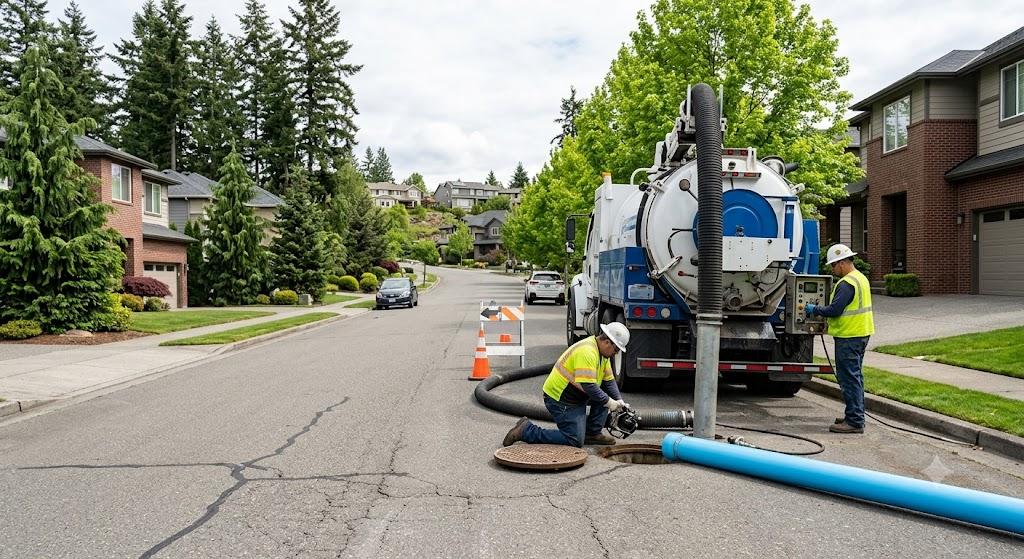
Drain Cleaning in Blair, NE: Practical Ways to Maintain Healthy Plumbing

Your home's drainage system handles wastewater from several fixtures, including kitchen sinks, bathroom showers, laundry connections, and floor drains. Although these fixtures serve different purposes, they eventually connect to larger drainage lines that carry wastewater away from the property. When debris accumulates inside these pipes, water flow becomes restricted and everyday plumbing activities become inconvenient.
Many homeowners initially respond to slow drains with plungers or store-bought cleaning products. While these methods sometimes help with minor surface blockages, they do not always remove deeper obstructions. Professional drain cleaning in Blair, NE addresses stubborn buildup and recurring clogs by identifying where the restriction occurs and selecting an appropriate cleaning method.
Why Do Household Drains Become Clogged?
Drain blockages usually develop gradually as different materials collect inside pipes.
Kitchen drains frequently experience grease accumulation. Cooking oils, butter, and food residue stick to pipe walls and gradually create thicker deposits. Food particles can become trapped in this material, making the obstruction more difficult to remove.
Bathroom drains collect hair, soap scum, toothpaste residue, and personal care products. These materials combine into dense clumps that restrict drainage.
Laundry drains experience lint accumulation, detergent residue, and fibers from clothing. Outdoor and basement floor drains can also collect dirt, leaves, and other debris.
Additional causes include:
A. Mineral deposits from hard water.
Hard water contains dissolved minerals, particularly calcium and magnesium. Over time, these minerals can form scale deposits along the inside of pipes and plumbing fixtures. As the deposits accumulate, they can narrow the available passage for wastewater and contribute to reduced flow.
B. Objects accidentally dropped into fixtures.
C. Damaged or improperly aligned pipes.
D. Tree roots entering underground drainage lines.
E. Blockages within shared branch or main sewer pipes.
Identifying the type and location of the obstruction helps prevent repeated cleaning attempts that fail to solve the actual problem.
Five Signs Your Drains Require Attention
Recognizing early symptoms helps prevent a minor clog from becoming a larger plumbing disruption.
1. Water Takes Longer to Drain
Slow drainage in sinks, tubs, or showers often indicates accumulated material inside the pipe. If cleaning the fixture's removable drain cover does not improve flow, the obstruction could be deeper.
2. Several Fixtures Become Slow
When multiple sinks or drains experience problems simultaneously, the issue could involve a shared drainage connection or main line.
3. Persistent Drain Odors
Unpleasant smells often develop when organic waste becomes trapped inside pipes. Persistent sewage odors also deserve attention because they can indicate a deeper plumbing or sewer issue.
4. Gurgling Sounds
Air trapped behind an obstruction can produce bubbling or gurgling noises as wastewater moves through the system. Drain vents normally allow air to enter the drainage system and help maintain proper pressure as wastewater flows through pipes. A blocked or improperly functioning vent can contribute to gurgling sounds and slow drainage.
5. Repeated Backups
A drain that repeatedly clogs after basic cleaning requires further evaluation. The original blockage might remain partially present, or an underlying pipe defect could be contributing to the problem.
Professional Cleaning Methods and Their Applications
Different blockages require different equipment and cleaning techniques.
Drain snaking: A mechanical drain snake uses a flexible cable to reach an obstruction. Its rotating head breaks apart or retrieves hair, paper, and other materials.
Hydro jetting: Specialized equipment directs controlled high-pressure water into pipes to remove grease, sludge, and stubborn deposits. A professional inspection helps determine whether the pipe can safely handle this method.
Camera inspection: A waterproof camera helps locate hidden obstructions and identify cracks, root intrusion, or pipe misalignment.
Preventive cleaning: Periodic professional cleaning helps remove accumulated debris before it develops into a severe blockage. The appropriate interval depends on household usage, pipe condition, and the history of recurring clogs. Homeowners should ask a plumbing professional to recommend a suitable maintenance schedule based on these factors. Confirm any specific recommended cleaning interval with Grunwald Mechanical before publishing it as company guidance.
A drain cleanout is an accessible pipe fitting with a removable cap that allows a plumber to reach the drainage line for inspection, clearing, or maintenance. Cleanouts provide access to sections of the plumbing system that may otherwise be difficult to reach.
The best approach depends on pipe material, condition, diameter, and the nature of the obstruction.
Simple Habits That Help Prevent Drain Clogs
You can reduce unnecessary plumbing problems by making a few changes to your daily routine.
A. Install mesh screens over bathroom and kitchen drains.
B. Dispose of cooking grease in a sealed waste container.
C. Remove food scraps before washing dishes.
D. Brush hair away from shower drains regularly.
E. Avoid flushing wipes and other non-flushable materials.
F. Clean accessible drain covers and strainers.
G. Address slow drainage instead of waiting for complete blockages.
Avoid relying on harsh chemical products as a regular maintenance solution. Repeated chemical use can damage certain plumbing materials and create handling risks.
When Should You Schedule Professional Cleaning?
Occasional minor clogs can often be managed with basic household tools. However, recurring blockages, multiple affected fixtures, persistent odors, and sewage backups require professional attention.
A technician can determine whether the problem involves a simple obstruction or a more significant issue within the drainage network.
Maintain Dependable Drainage in Your Blair Home
Healthy drains depend on proper waste disposal, regular maintenance, and timely attention to plumbing warning signs. Preventing grease, hair, and debris from accumulating reduces unnecessary stress on your drainage system.
When household drains remain slow or repeatedly clog, arrange professional drain cleaning in Blair, NE. Schedule an inspection to identify the cause, restore proper water flow, and help prevent future plumbing disruptions.


