


Romance and vintage cinema have a special connection. Soft lighting, expressive close-ups, graceful movements, nostalgic locations, and emotional storytelling can turn a simple moment into a memorable cinematic experience. From couples dancing beneath glowing streetlights to handwritten love letters exchanged beside an old railway station, classic romantic scenes continue to inspire filmmakers and audiences. Today, AI technology makes it possible to recreate these visual elements without requiring a traditional film crew, expensive cameras, or complicated production arrangements.
Romantic AI videos offer a creative way to combine classic filmmaking aesthetics with modern video generation technology. Whether the idea involves a 1950s love story, a dreamy 1960s summer romance, or a dramatic vintage-inspired reunion, creators can experiment with different settings, characters, camera movements, and visual moods.
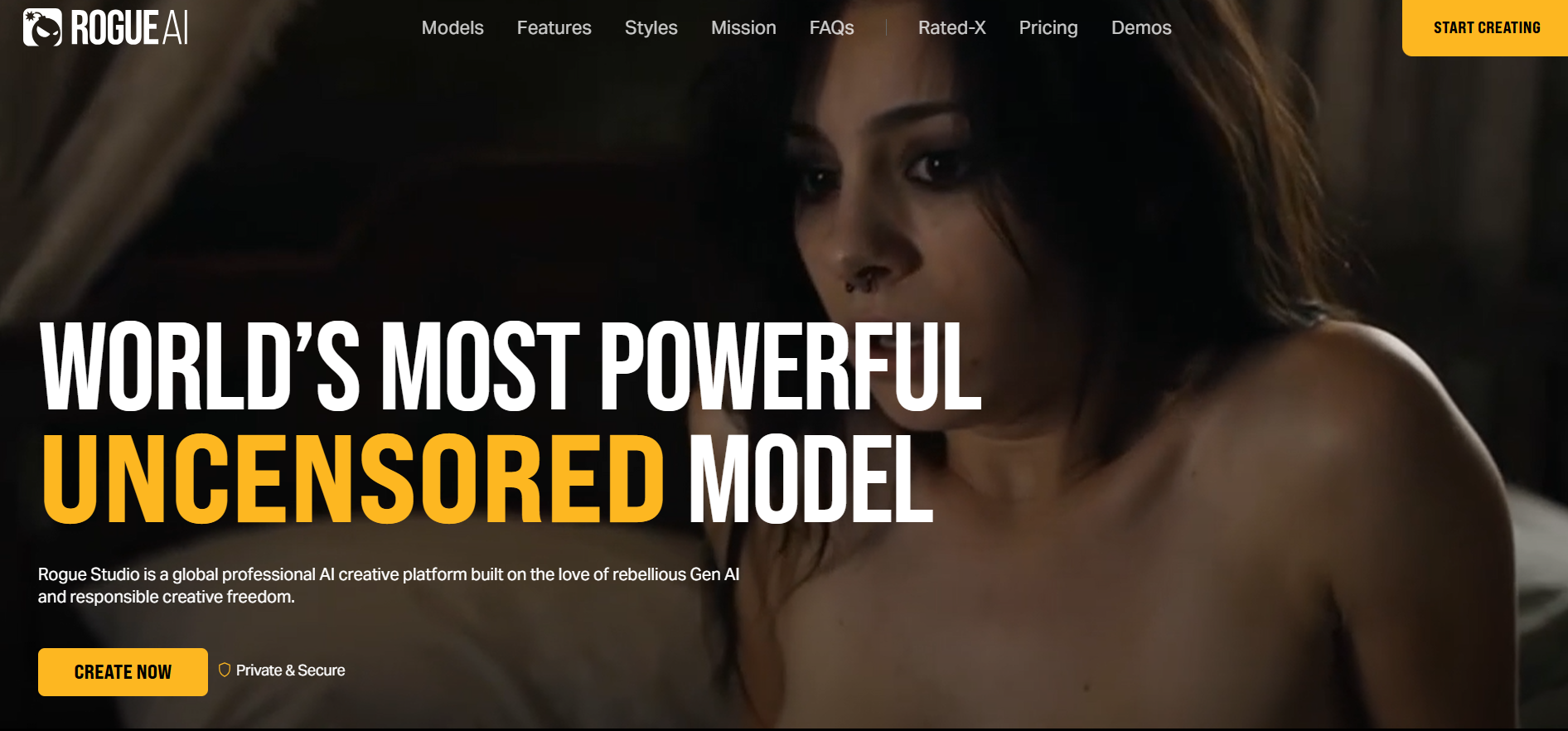
With Rogue Studio AI, creators can turn written concepts and visual references into cinematic AI videos inspired by different periods of filmmaking. The platform provides an opportunity to experiment with AI video creation, develop distinctive characters, and bring imaginative romantic concepts to life.
However, creating convincing vintage visuals requires more than simply adding an old-film filter. The atmosphere, character styling, composition, lighting, and movement all contribute to the final result. Understanding these elements can help creators produce romantic AI videos that feel like scenes from classic cinema rather than ordinary computer-generated clips.
Why Vintage Romance Still Feels Cinematic in Modern Video Creation
Vintage romance has a visual identity that remains appealing across generations. Older romantic films often focused on meaningful expressions, carefully composed frames, natural environments, and emotional pauses. Instead of relying on constant movement or complicated visual effects, they allowed small details to communicate the relationship between characters.
A couple sharing an umbrella during rainfall, two people meeting at a train station, or a quiet dance in an elegant ballroom can communicate an entire romantic story without extensive dialogue.
These creative principles are particularly useful when developing vintage AI videos. AI technology can interpret descriptions of historical environments, clothing, lighting, and character interactions to generate scenes that reflect a particular cinematic period.
The appeal of vintage film style comes from several recognizable visual characteristics:
-
Warm colour palettes featuring amber, cream, faded gold, and muted brown.
-
Soft highlights and gentle shadows that create an intimate atmosphere.
-
Period-inspired clothing, hairstyles, furniture, and architecture.
-
Subtle film grain and slightly faded visual textures.
-
Carefully composed close-ups that emphasize facial expressions.
-
Slow camera movements that give emotional moments room to develop.
When these details work together, romantic video creation becomes more expressive. The objective is not necessarily to reproduce an exact historical film but to capture the emotional atmosphere associated with classic romance.
Building a Love Story Before Opening an AI Video Generator
A successful cinematic video usually begins with a clear creative direction. Before generating individual scenes, it helps to decide what kind of relationship, setting, and emotional journey the video should communicate.
For example, imagine a short story about two people who meet at a small railway station during the late 1950s. One character is preparing to leave town, while the other arrives unexpectedly. Their conversation is brief, but their expressions communicate years of unspoken feelings.
This concept provides a foundation for romantic storytelling. It also gives the AI video generator enough descriptive information to create scenes with a consistent visual identity.
A useful approach is to establish three elements before starting production.
First, determine the historical atmosphere. Decide whether the story should resemble the glamour of 1920s cinema, the elegance of the 1950s, or the colourful atmosphere of the 1970s.
Second, establish the emotional direction. A romantic story might communicate excitement, nostalgia, separation, affection, or reconciliation. Each emotion requires a different visual treatment.
Finally, identify the central visual moments. Rather than trying to describe an entire film in one prompt, divide the concept into smaller sequences that can be generated and refined individually.
This preparation makes romantic AI videos easier to organize and gives each scene a meaningful purpose.
Recreating the Golden Details of Vintage Film Style
The visual atmosphere is one of the most important parts of vintage-inspired filmmaking. A modern setting can feel completely different when its lighting, colours, and composition are adjusted to resemble an earlier cinematic period.
For romantic video creation, soft lighting is particularly effective. Warm lamps, sunlight passing through curtains, glowing candles, and golden-hour environments can create a gentle atmosphere.
Colour selection also matters. Bright contemporary colours may not communicate the same nostalgic feeling as muted tones and carefully balanced highlights. A combination of faded rose, warm beige, dark burgundy, and golden brown can help establish a classic romantic appearance.
Another important detail is the camera perspective. Vintage cinema style often benefits from deliberate framing rather than excessive camera movement. A close-up of two characters exchanging a glance can sometimes communicate more than a complicated moving shot.
Creators can experiment with the following visual directions:
-
Golden-hour romance: Warm sunlight, soft shadows, and outdoor environments create a dreamy atmosphere.
-
Black-and-white nostalgia: Monochrome visuals emphasize expressions, contrast, and timeless romantic drama.
-
Retro colour cinema: Slightly faded colours and gentle film textures recreate the appearance of older productions.
-
Dreamlike soft focus: Diffused highlights and delicate backgrounds give romantic moments a more poetic appearance.
-
Classic ballroom elegance: Formal clothing, chandeliers, polished floors, and symmetrical compositions create a sophisticated setting.
These visual choices can be combined depending on the story. The important point is to maintain a consistent appearance across the different sequences.
How to Create Romantic AI Videos with Rogue Studio AI
Rogue Studio AI provides a creative environment for experimenting with AI-powered video production. Instead of beginning with traditional filming equipment, creators can develop scenes through written descriptions and available generation tools.
The process becomes more effective when each generation has a clear visual objective. A detailed prompt should explain the environment, characters, actions, lighting, camera perspective, and desired cinematic appearance.
Start with a Specific Romantic Concept
Begin with a simple idea that can be communicated visually. A story about two people meeting in an old-fashioned café, for instance, offers several opportunities for expressive scenes.
The first sequence might show one character sitting beside a window. The next could introduce another character entering the café. A later sequence could show the two sharing a quiet conversation over coffee.
This approach gives the video a recognizable narrative structure.
Describe the Period and Character Appearance
Historical details help establish the intended setting. Mention the approximate decade, clothing, hairstyles, architecture, accessories, and surrounding environment.
For example, a 1960s-inspired romantic scene might include tailored dresses, classic suits, vintage automobiles, traditional cafés, and period-appropriate interior decoration.
Character descriptions should remain consistent throughout the production. If the same characters appear in multiple scenes, repeat their important visual characteristics in the prompts or use available character-reference and consistency features.
Develop the Scene Through Camera Direction
Camera instructions help communicate the intended cinematic presentation. Instead of describing only what characters are doing, explain how the audience should see the moment.
A slow tracking shot can follow a couple walking along a quiet street. A medium shot can capture a conversation, while a close-up can emphasize an emotional expression.
This approach gives cinematic AI videos a more deliberate visual structure.
Experiment with Start and End Frames
Where supported by the selected generation model, start-frame and end-frame controls can help guide the beginning and ending appearance of a sequence.
For example, a scene could begin with a wide view of an old railway platform and finish with a closer composition of two characters standing together.
These visual reference points can help creators plan transitions and experiment with more controlled movement.
Refine the Result Through Multiple Generations
The first generated result may not perfectly match the original concept. Facial expressions, clothing details, movement, and background elements can require additional adjustments.
Rather than changing every instruction simultaneously, refine one part of the prompt at a time. This makes it easier to identify which descriptions improve the result.
Rogue Studio AI can be used as part of this experimental process, allowing creators to develop their concepts through repeated AI video creation attempts.
Writing Better Prompts for Nostalgic Romantic Scenes
Prompt writing has a major influence on the visual direction of generated content. General descriptions often produce generic results, whereas specific instructions provide a clearer creative target.
Consider the difference between these two descriptions:
A simple prompt might say that a couple is walking together in an old city.
A more descriptive version could establish the historical period, environment, lighting, clothing, camera perspective, and emotional atmosphere.
For example:
Prompt example:
"Create a cinematic romantic scene inspired by 1950s European cinema. An elegantly dressed couple walks slowly along a quiet cobblestone street at sunset. The woman wears a flowing vintage dress, while the man wears a classic tailored suit. Warm golden light reflects across old buildings, subtle film grain adds nostalgic texture, and the camera follows them with a gentle tracking movement. Their expressions communicate affection and quiet happiness. Use soft cinematic lighting, realistic character movement, natural proportions, and an authentic vintage film aesthetic."
This type of description gives an AI video generator more information about the desired result.
For additional creative directions, consider these concepts:
-
A romantic dance inside an elegant ballroom illuminated by chandeliers.
-
A couple sharing an umbrella while walking through a rainy vintage city.
-
Two lovers meeting beside an old-fashioned seaside café.
-
A heartfelt farewell at a historic railway station.
-
A peaceful evening drive through a countryside landscape in a classic automobile.
Each concept can become an independent sequence or part of a larger romantic narrative.
Giving Characters a Consistent Identity Across Multiple Scenes
One challenge in AI filmmaking is maintaining character consistency. A character might appear with slightly different facial features, hairstyles, clothing, or proportions when generated in separate sequences.
This can become noticeable when producing longer romantic AI videos because viewers expect the same characters to appear throughout the story.
A consistent character description helps reduce these differences. Creators should establish the main visual characteristics before generating the first scene and reuse them in subsequent prompts.
Useful details include:
-
Facial appearance and distinctive features.
-
Hair colour, hairstyle, and approximate length.
-
Clothing style and important accessories.
-
General appearance and posture.
-
Character-specific visual references, where supported.
Character consistency also depends on the selected generation model and its available reference controls. Reusing descriptions does not guarantee identical results, but it provides a more stable creative foundation.
For a romantic reunion story, maintaining recognizable characters is particularly important. The emotional impact depends on viewers understanding that the same two individuals are meeting again after a long separation.
Turning Individual Clips into Complete Cinematic Love Stories
Generating attractive individual clips is only one part of the production process. A compelling romantic video also needs a beginning, middle, and ending.
This is where thoughtful editing and sequence planning become important.
Imagine creating a short cinematic love story about two characters who meet during a summer holiday in the 1960s.
The opening sequence could introduce the location through a wide establishing shot of a seaside town. The next scene could show the characters meeting near the beach. A gentle walking sequence could establish their connection, followed by a sunset scene that communicates the emotional development of their relationship.
The ending might return to the original location, showing the characters together after their journey.
This structure allows retro romance videos to communicate a recognizable story rather than appearing as unrelated visual experiments.
When arranging clips, consider the following creative principles:
-
Keep the visual atmosphere consistent between consecutive shots.
-
Use establishing shots to introduce important locations.
-
Place close-ups around emotionally significant moments.
-
Avoid unnecessary transitions that interrupt the story.
-
Match the pace of the editing to the mood of the scene.
-
Use music and ambient sound to support the emotional direction.
A slower editing rhythm often works well for nostalgic romance because it gives viewers more time to appreciate expressions, scenery, and character interactions.
Using Sound and Music to Strengthen the Romantic Atmosphere
Sound is another important part of cinematic presentation. Even visually impressive romantic AI videos can feel incomplete when the audio does not match the atmosphere.
A vintage-inspired scene might benefit from gentle piano music, orchestral arrangements, soft jazz influences, or other period-inspired instrumental sounds. Ambient details can also make the environment feel more believable.
For example, a railway station scene could include distant train sounds, footsteps, and quiet station ambience. A ballroom sequence could feature elegant instrumental music and subtle environmental sounds.
If the selected Rogue Studio AI video model supports native audio generation, creators can experiment with audio alongside their visual concepts. Otherwise, sound can be added during post-production.
Music selection should reflect the emotional purpose of the scene rather than simply matching its historical period. A romantic reunion might require a more emotional arrangement, while a playful summer romance could benefit from a lighter musical direction.
Creators should also ensure that any music, recordings, or sound effects used in their final projects are properly licensed or otherwise authorized.
Creative Directions Beyond Traditional Vintage Romance
Vintage-inspired romantic filmmaking does not have to follow a single visual formula. Different historical periods and cinematic influences can produce very different creative results.
A creator interested in romantic AI videos could experiment with a mysterious film-noir-inspired relationship, a colourful 1970s summer love story, or a dramatic black-and-white reunion.
Some additional concepts worth developing include:
Parisian Midnight Romance: A couple walks through an atmospheric old European street, surrounded by warm shop windows, gentle rain, and soft reflections.
1950s Ballroom Love Story: Two characters meet at a formal dance, with elegant costumes, symmetrical compositions, and sweeping camera movements.
1970s Summer Memories: A nostalgic seaside story featuring vintage cars, colourful clothing, golden sunlight, and relaxed outdoor environments.
Old Hollywood-Inspired Drama: A cinematic relationship unfolds through expressive close-ups, sophisticated interiors, and dramatic lighting.
Forgotten Love Letters: A character discovers an old collection of letters that brings back memories of a meaningful relationship.
These concepts demonstrate how vintage cinema style can support different genres and emotional directions.
Creators can also explore broader adult-oriented creative storytelling using appropriate, lawful, consensual fictional concepts. An AI porn scene generator is a separate type of specialized creative tool, whereas a vintage romantic video project can focus on atmosphere, relationships, and cinematic storytelling.
Common Creative Mistakes That Can Weaken Vintage AI Videos
A convincing vintage aesthetic depends on consistency. Even when individual scenes look attractive, certain production decisions can make the final video feel disconnected.
One common mistake is combining too many historical styles. For instance, placing 1920s clothing inside a clearly modern environment without a deliberate creative reason can weaken the visual identity.
Another issue is overusing film effects. Heavy grain, excessive blur, and extreme colour fading can make important details difficult to see. Vintage aesthetics should support the scene rather than overpower it.
Character movement also deserves attention. AI-generated motion may occasionally appear unnatural, particularly when prompts describe complicated interactions. Simpler actions, such as walking, turning, looking at another character, or holding hands, can be easier to communicate.
Finally, creators should avoid making every shot visually identical. A combination of wide shots, medium compositions, and close-ups creates a more interesting viewing experience.
The most useful improvements usually come from reviewing the generated sequences carefully and adjusting the specific details that are not working.
Why Rogue Studio AI Can Be Part of a Modern Vintage Filmmaking Workflow
Traditional filmmaking involves several production stages, including location planning, casting, costume preparation, cinematography, and editing. AI-powered tools offer another approach for creators who want to experiment with cinematic ideas without organizing every element of a conventional production.
Rogue Studio AI brings AI video generation into this creative process. It gives users an opportunity to test different visual concepts, experiment with cinematic storytelling, and develop original scenes through prompts and available generation features.
For creators working on vintage AI videos, this can be useful during the early concept-development stage. They can experiment with different decades, romantic environments, character appearances, and camera directions before deciding which visual approach best communicates their story.
The platform can also support experimentation with different genres. A creator might begin with a classic romance concept and later develop related scenes inspired by historical drama, fantasy, mystery, or cinematic adventure.
However, the final quality still depends on prompt clarity, model capabilities, reference materials, and the editing decisions made during production. AI generation is a creative process that benefits from planning and refinement rather than relying on a single prompt.
The Future of Romantic Storytelling Through AI Filmmaking
The relationship between technology and filmmaking continues to evolve. AI tools are making it possible for independent creators to experiment with visual storytelling in ways that previously required more extensive production resources.
Romantic AI videos represent an interesting application because the genre depends heavily on visual atmosphere, character expression, and carefully developed emotional moments.
As generation technology improves, creators may gain more control over character continuity, camera movement, scene transitions, and synchronized audio. These developments could make longer cinematic projects easier to plan and produce.
Nevertheless, technology alone does not create an engaging love story. A memorable scene still needs a meaningful concept, believable character interactions, and a visual style that supports the narrative.
Rogue Studio AI offers a starting point for creators interested in combining modern AI video creation with the nostalgic appearance of classic cinema. By developing detailed prompts, experimenting with available features, and refining generated sequences, users can build distinctive cinematic love stories that reflect their creative vision.
Final Thoughts
Vintage romance continues to inspire filmmakers because its visual language is built around emotion, atmosphere, and memorable moments. From elegant ballroom dances to quiet meetings beneath rainy streetlights, these scenes offer endless possibilities for modern creative experimentation.
Creating romantic AI videos with Rogue Studio AI provides an opportunity to combine these timeless influences with contemporary generation technology. The process begins with a clear story concept, continues through detailed visual prompts and consistent character descriptions, and develops through careful scene selection and editing.
Whether the goal is to create a short nostalgic love story, a collection of retro romance videos, or a longer cinematic project, the most important element is a strong creative direction.
By bringing together thoughtful romantic storytelling, vintage film style, and modern AI filmmaking techniques, creators can transform simple written ideas into visually engaging scenes inspired by the magic of classic romance.


