

How a Fulfillment Center Can Help Your Small Business Grow

Every small business owner remembers the early days of shipping orders. You pack boxes at the kitchen table, print labels late at night, and make a run to the post office before it closes. It feels manageable when you ship ten orders a week. At a hundred orders a day, it stops being sustainable.
Many growing brands hit this wall. Sales are climbing, but so are the hours spent on packing, tracking, and fixing shipping mistakes. That is the point where a fulfillment center for small business stops being a luxury and becomes a practical growth tool.
This article explains what a fulfillment center does, how it supports growth, and how to know when you're ready to hand over the work.
What Is a Fulfillment Center?
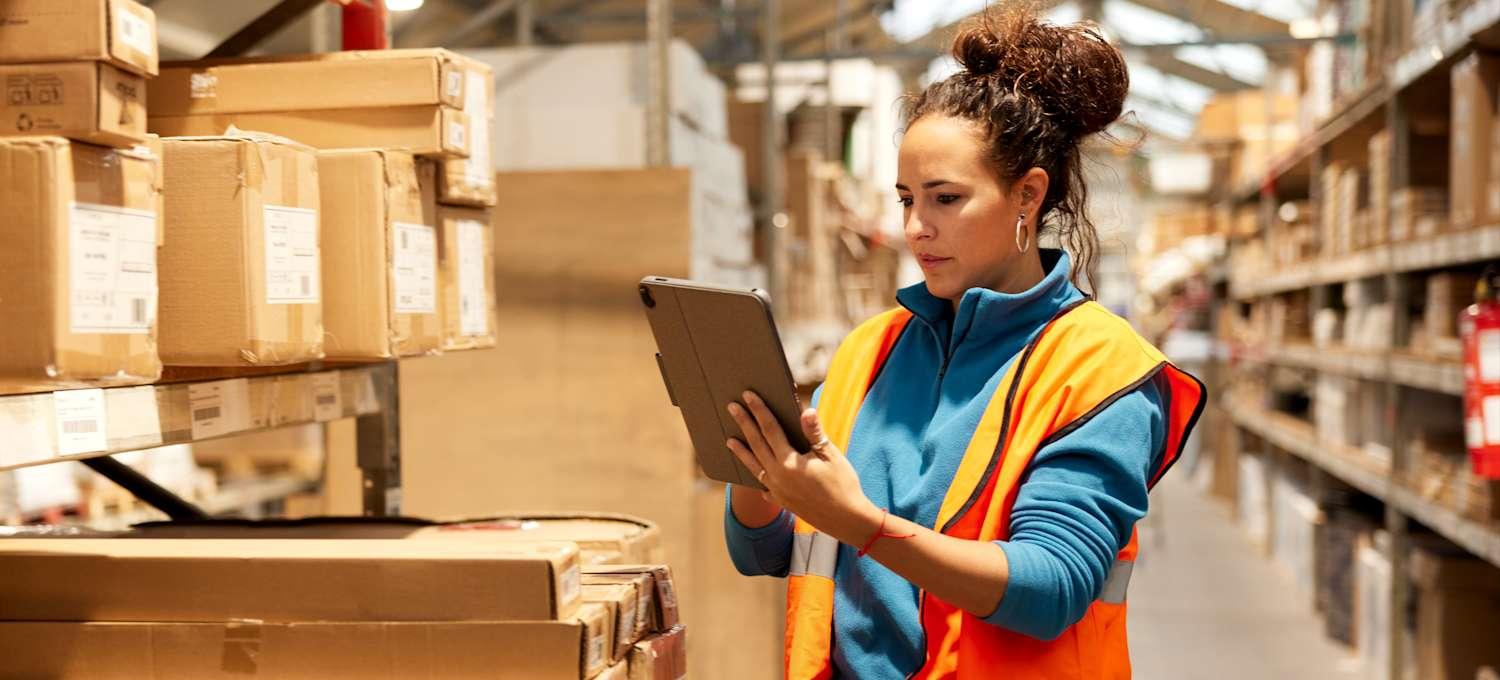
A fulfillment center is a facility that stores your inventory, picks and packs your orders, ships them to customers, and often handles returns. Instead of running these tasks from your garage, spare room, or small storage unit, you send your products to a professional warehouse. When a customer places an order on your website or marketplace, the fulfillment team takes over from there.
Providers like Waypoint 3PL operate as a third-party logistics partner. Your store connects to their system, orders flow in automatically, and products leave the warehouse without you touching a box.
1. You Get Your Time Back
Time is the scarcest resource a small business owner has. Every hour spent taping boxes and printing labels is an hour not spent on product development, marketing, customer relationships, or planning your next move.
When you use a fulfillment center for small business, daily operational work moves off your plate. You can focus on the activities that actually increase revenue:
-
Launching new products
-
Improving your website and product pages
-
Running better marketing campaigns
-
Building partnerships and wholesale relationships
-
Analyzing sales data and planning ahead
Owners often say the biggest change is mental. Instead of reacting to the day's orders, they start thinking like the CEO of a growing company.
2. Faster Shipping Keeps Customers Happy
Customers today compare every online order to the fastest delivery they've ever received. Slow shipping is one of the most common reasons shoppers abandon a purchase or never come back.
A professional fulfillment center is built for speed. Orders are typically processed within a short window of being placed, and warehouses are organized so items can be located and packed efficiently. Strategic placement of inventory also helps reduce transit times, since products stored closer to your customers reach them sooner.
Faster delivery leads to better reviews, more repeat purchases, and stronger word of mouth. For a small business that depends on reputation, this matters a great deal.
3. Lower Shipping Costs Than You Could Get Alone
Shipping is one of the biggest expenses for any e-commerce business. Small shippers pay higher rates because they send low volumes.
Fulfillment providers ship thousands of packages every week, which gives them access to discounted carrier rates. Those savings are often passed along to clients. Even a modest reduction per package adds up quickly as your order volume grows.
A good provider also helps with packaging choices. Right-sized boxes reduce dimensional weight charges, and efficient packing lowers the risk of damage in transit. Waypoint 3PL, for example, focuses on helping brands ship accurately and cost-effectively, so you aren't overpaying for every parcel.
4. Scale Without the Growing Pains
Growth is exciting, but it creates problems. A seasonal spike, a viral product, or a big promotion can bring in more orders than you can handle. Without the right setup, late shipments and mistakes follow.
A fulfillment center gives you flexible capacity. Whether you ship 50 orders one week and 500 the next, the warehouse team and systems are already in place to handle the change. You don't need to hire seasonal workers, rent extra space, or buy more equipment.
This flexibility lets you say yes to opportunities. You can run a holiday sale, expand to a new sales channel, or sign a retail partner without worrying that operations will break down.
5. Better Inventory Control
Poor inventory management is expensive. Overstocking ties up cash, and understocking leads to lost sales. Many small businesses track stock in spreadsheets, which are prone to errors.
Fulfillment centers use warehouse management software that tracks inventory in real time. You can see what's in stock, what's been shipped, and what's running low. This visibility helps you:
-
Reorder at the right time
-
Avoid overselling products you don't have
-
Spot your best-selling and slowest-moving items
-
Plan production or purchasing with real data
Accurate inventory records also reduce the shrinkage and miscounts that quietly eat into profit.
6. Fewer Errors and More Accurate Orders
Wrong items, missing products, and incorrect addresses damage customer trust. When you are tired and packing quickly, mistakes are easy to make.
Professional fulfillment teams follow structured processes. Items are scanned, orders are checked, and quality controls are in place at each step. This reduces mispicks and keeps your order accuracy high.
Consistent accuracy protects your brand. Customers rarely remember when everything arrives correctly, but they always remember the order that went wrong.
7. A Better Unboxing and Brand Experience
Your packaging is often the only physical interaction a customer has with your brand. A fulfillment center for small business can still deliver a polished experience, including:
-
Branded boxes and packing materials
-
Custom inserts, thank-you cards, or discount codes
-
Gift wrapping or special instructions
-
Kitting and bundling for subscription boxes or promotional sets
These details make small brands feel established and memorable. A good unboxing experience encourages social sharing and repeat orders.
8. Simplified Returns Handling
Returns are a normal part of e-commerce, but they can be time-consuming. Receiving packages, inspecting items, restocking them, and issuing refunds can eat up hours each week.
Many fulfillment centers manage returns for you. Products are inspected, restocked if they're in sellable condition, and your inventory counts are updated. A smooth returns process also builds customer confidence, since shoppers are more likely to buy when they know returns are easy.
9. Easy Integration With Your Sales Channels
Most small businesses sell in more than one place, such as their own website, online marketplaces, and social commerce platforms. Managing orders from each channel separately is confusing and error-prone.
Modern fulfillment providers integrate with popular e-commerce platforms and marketplaces. Orders sync automatically, tracking numbers are sent back to the customer, and inventory updates across channels. Waypoint 3PL connects with your sales platforms so that order flow stays smooth, regardless of where the customer buys.
10. Reduced Overhead and Predictable Costs
Running your own fulfillment means paying for storage space, shelving, packing supplies, equipment, software, and labor. These costs are often fixed, even in slow months.
With a fulfillment partner, many of these expenses become variable. You typically pay for the storage you use and the orders you ship. This makes costs easier to forecast and lets you keep more cash available for growth.
Signs You're Ready for a Fulfillment Center
Not every business needs outsourced fulfillment on day one. Consider making the move if:
-
You spend several hours a day packing and shipping
-
Your inventory is taking over your home or workspace
-
Shipping errors and late deliveries are increasing
-
You are turning down growth opportunities because of capacity limits
-
Shipping costs are cutting deeply into your margins
-
You want to expand into new markets or sales channels
If two or three of these sound familiar, it's worth exploring a fulfillment center for small business.
How to Choose the Right Fulfillment Partner
Not all providers are the same. When comparing options, look at:
Experience with small businesses. Some warehouses focus on large enterprise clients and may not give smaller brands the attention they need. Look for a partner that understands your stage of growth.
Technology and visibility. You should have easy access to inventory levels, order status, and reporting.
Transparent pricing. Ask about receiving fees, storage fees, pick and pack fees, and shipping rates so there are no surprises.
Accuracy and speed. Ask about order accuracy rates and typical processing times.
Communication and support. A responsive team makes a big difference when issues come up.
Flexibility. Your needs will change as you grow, so choose a partner that can scale with you.
Why Waypoint 3PL Is Built for Growing Brands
Waypoint 3PL works with small and growing businesses that want reliable, hands-on fulfillment without the complexity of managing a warehouse themselves. From receiving your inventory to packing, shipping, and returns, the team handles the details so you can focus on building your brand.
For a business looking for a fulfillment center for small business, the right partner should feel like an extension of your own team. Waypoint 3PL aims to provide that: clear communication, accurate order processing, and logistics support that grows alongside you.
Final Thoughts
Growth shouldn't mean drowning in packing tape and shipping labels. A fulfillment center frees up your time, reduces costs, improves delivery speed, and gives your business the structure it needs to scale.
When you partner with a team like Waypoint 3PL, you gain more than warehouse space. You gain operational support that lets you say yes to bigger opportunities, serve customers better, and build a business that grows sustainably.
If your order volume is rising and fulfillment is starting to hold you back, now is a good time to consider a fulfillment center for small business. Your customers get a better experience, and you get back to what you do best: running and growing your company.


