

What Are the Common Techniques Used in Surgical Scar Revision?

Scars are a natural part of the body's healing process, yet they can sometimes leave behind marks that affect appearance, comfort, or confidence. In clinical practice, scar management is approached with careful assessment, because every scar differs in depth, color, texture, and location. Patients seeking Surgical Scar Revision in Islamabad often arrive after an injury, a previous operation, acne, or a burn that healed in a way they did not expect. The goal of treatment is not to erase a scar completely, since that is not possible, but to make it less noticeable and more comfortable. A well-chosen technique can improve flatness, blend color, and soften the edges of a mark. Understanding the available methods helps patients take part in decisions about their own care.
How Scars Form and Why They Differ
When the skin is damaged, the body builds new tissue to close the wound. This tissue is made mostly of collagen, and its arrangement is different from healthy skin. If the collagen is laid down in excess, a raised scar appears. If too little tissue forms, the scar may sink below the surface of the skin.
Several factors influence the final result. These include genetics, age, skin tone, the location of the wound, tension on the skin, and how well the wound was cared for. Scars on joints or areas that move often tend to widen, while scars on darker skin may become more pigmented or thicker.
Types of Scars Commonly Treated
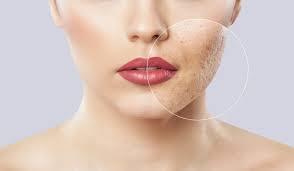
Hypertrophic scars are raised and red but stay within the boundary of the original wound. Keloid scars grow beyond the wound edges and can continue to enlarge over time. Atrophic scars are sunken, often seen after acne or chickenpox. Contracture scars form after burns and tighten the skin, sometimes limiting movement.
Identifying the exact type is the first step in choosing a treatment, because a method that works well for one kind of scar may be unsuitable for another.
Initial Evaluation and Planning
A thorough consultation comes before any procedure. The surgeon examines the scar, reviews medical history, and asks how long the scar has been present. Scars generally need to mature, which often takes six months to a year, before revision is considered.
Photographs, skin analysis, and a discussion of realistic outcomes help shape the plan. Patients are told what improvement is likely and how many sessions may be needed.
Surgical Excision
Surgical excision involves cutting out the scar and closing the skin again with fine stitches. The new scar is usually thinner and easier to hide than the old one. This technique is often used for wide, uneven, or poorly healed scars.
Surgeons pay close attention to closing the wound with minimal tension. Layered stitching, where deeper tissue is brought together first, helps the surface scar heal more narrowly and neatly.
Z-Plasty and W-Plasty
These techniques change the direction of a scar rather than simply removing it. In Z-plasty, the surgeon makes a Z-shaped incision and rearranges small triangular flaps of skin. This lengthens a tight scar, releases contracture, and redirects the line so it follows natural skin folds.
W-plasty uses a zigzag pattern along the scar edges. Because a broken line is harder for the eye to follow than a straight one, the scar becomes less visible. This method works well on the face where a straight scar may draw attention.
Skin Grafts and Flap Techniques
Large or deep scars, especially those from burns, may require new skin. A graft takes a thin layer of healthy skin from another part of the body and places it over the treated area. A flap moves skin along with its blood supply from a nearby site, which gives a better match in color and texture.
These procedures are more involved and are reserved for cases where simple excision would not be enough.
Dermabrasion and Laser Resurfacing
Dermabrasion gently sands the top layers of skin to smooth raised edges and shallow irregularities. Laser resurfacing uses focused light energy to remove damaged skin layers and stimulate new collagen production.
Fractional lasers treat only tiny columns of skin at a time, which shortens healing time. These options suit surface irregularities, acne marks, and discolored scars, and several sessions are commonly planned.
Injectable and Non-Surgical Support
Steroid injections are widely used for keloid and hypertrophic scars. They help flatten the tissue and reduce itching and tenderness. Dermal fillers can lift sunken scars, and microneedling encourages the skin to rebuild itself.
Silicone sheets and gels, pressure garments, and sun protection also play a valuable role. Many surgeons combine these supportive measures with surgery to protect the result.
Recovery and Aftercare
Healing depends on the technique used. Mild swelling, redness, and tenderness are expected after most procedures. Keeping the area clean, avoiding strain on the wound, and applying prescribed ointments support smooth healing.
Sun exposure can darken a new scar, so sunscreen and protective clothing are important for several months. Final results usually become clear after many weeks as the tissue settles.
Choosing the Right Specialist
Scar revision requires both technical skill and artistic judgment. Patients should look for a qualified surgeon who explains options openly, shows real before and after results, and sets honest expectations. A good specialist will recommend the simplest effective approach rather than the most complex one.
Conclusion
Scar revision offers several well-established paths, from excision and Z-plasty to lasers, injections, and grafting. The right choice depends on the type, size, and position of the scar, as well as the patient's skin and goals. With proper evaluation, realistic expectations, careful aftercare, and an experienced surgeon, most patients can achieve a scar that is flatter, smoother, and far less noticeable, helping them feel more at ease in their own skin.
Contact Information
Address : Office Number LG 20 - 21 Interlace Plaza I-8 Markaz Islamabad
Phone : +92 333 5705871
Email : info@glamorousclinic.com.pk
Link : https://www.glamorousclinic.com.pk/


