

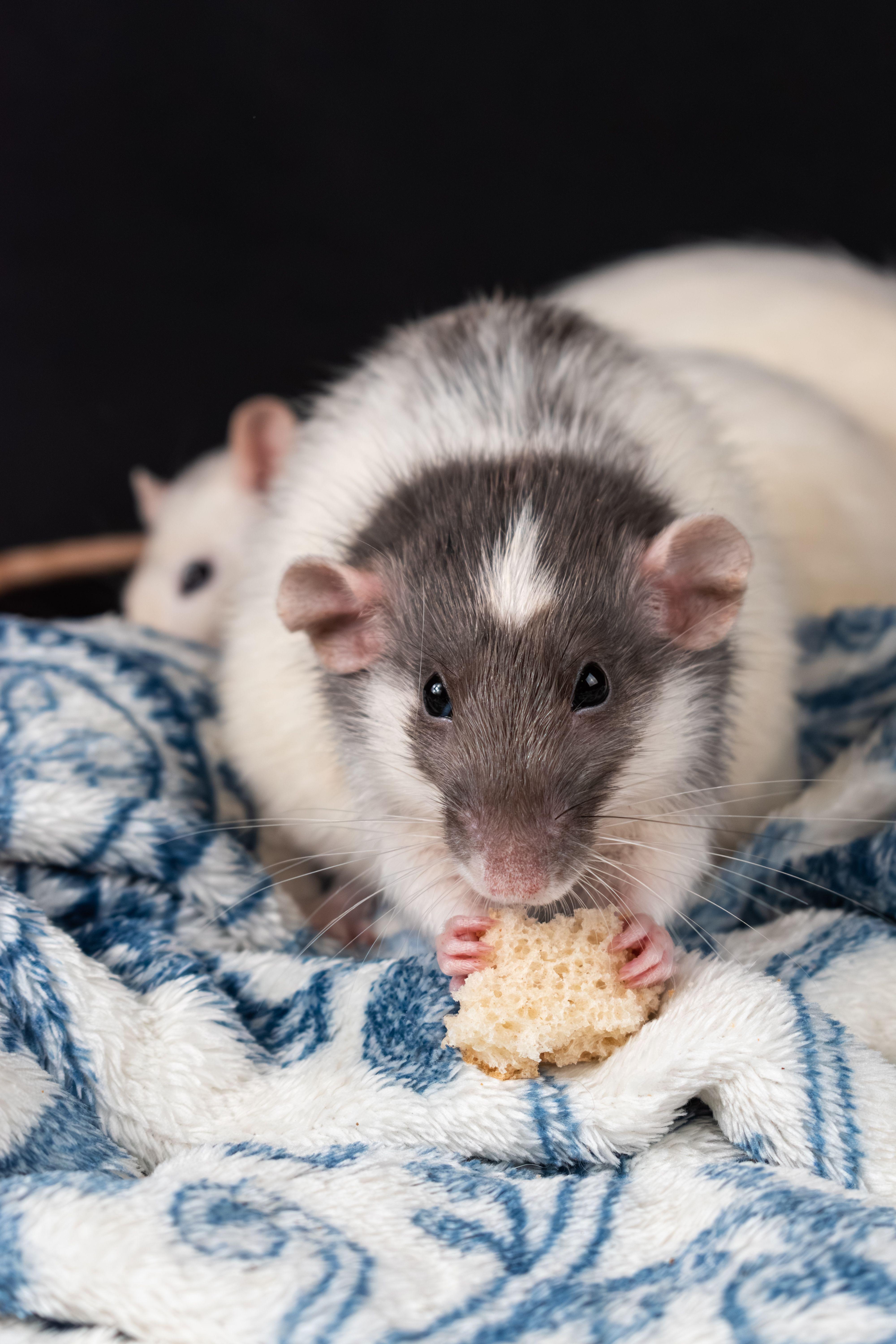
Protecting Perth Homes from Rodent Infestations: Prevention, Risks and Effective Solutions
Rodent infestations can create serious problems for homeowners and businesses, particularly when rats gain access to kitchens, roof cavities, storage areas and other sheltered spaces. Rats Pest Control Perth provides solutions to help property owners manage unwanted rodent activity and maintain cleaner, safer environments. Professional rat pest control Perth can help identify infestation sources, address existing problems and reduce the likelihood of rodents returning.
Understanding Why Rodents Enter Properties
Rats and mice generally enter properties in search of three essential things: food, water and shelter. Residential neighbourhoods, commercial premises and properties with gardens can all provide suitable conditions for these pests. Unsealed rubbish bins, pet food, food scraps and accessible pantry items may attract rodents.
Weather conditions can also influence rodent behaviour. During colder or particularly wet periods, rats and mice may seek warmer and drier places indoors. Roof spaces, wall cavities, garages and sheds provide convenient hiding locations where rodents can remain undisturbed.
Small openings around doors, windows, pipes and rooflines can become entry points. Even a relatively narrow gap may allow smaller rodents to enter a building. Identifying these access points is an important part of preventing recurring infestations.
Warning Signs That Should Not Be Ignored
Rodent activity is not always immediately visible. Rats and mice are generally more active at night, which means property owners may notice indirect signs before seeing the pests themselves.
Some common warning signs include:
· Droppings around cupboards, pantries and storage areas.
· Scratching or movement sounds inside ceilings and walls.
· Gnaw marks on packaging, wooden surfaces and electrical materials.
· Torn food packets and damaged stored products.
· Unpleasant smells in enclosed spaces.
· Nesting materials such as shredded paper, fabric and insulation.
These signs should be investigated rather than ignored. Rodents can reproduce quickly when suitable food and shelter are available, allowing a minor problem to develop into a larger infestation.
Health and Property Risks Associated with Rodents
Rodents can affect both household hygiene and the condition of a building. They may contaminate food preparation surfaces, stored groceries and other frequently used areas through their droppings, urine and contact with contaminated materials.
Another concern is structural damage. Rats and mice constantly gnaw to maintain their teeth, which can result in damage to timber, insulation, plastic containers and electrical wiring. Damaged wiring may increase the risk of electrical faults and potential fire hazards.
Businesses can also experience operational difficulties when rodents enter food storage areas, warehouses or commercial kitchens. Contamination concerns may affect customer confidence and create additional cleaning and maintenance requirements.
Taking appropriate action when early signs appear can help minimise these risks.
Why Professional Rodent Management Matters
Managing an established infestation often requires more than placing a few traps around the property. Rodents can hide in difficult-to-access locations, travel through wall cavities and use multiple entry points to move between indoor and outdoor areas.
A professional inspection helps determine the extent of the activity and identify areas requiring attention. Depending on the situation, suitable control measures may include strategically positioned traps, appropriate baiting methods and recommendations for sealing potential access points.
Property owners looking for broader pest control Perth solutions should also consider the importance of addressing conditions that attract unwanted pests. A property assessment can help identify sanitation concerns, accessible food sources and structural gaps that may contribute to pest activity.
Effective management should focus on both the existing infestation and the conditions that could encourage rodents to return.
Practical Ways to Prevent Rodent Activity
Prevention plays an important role in maintaining a rodent-free property. Although professional assistance may be necessary for established infestations, everyday maintenance can reduce the chances of rodents finding suitable shelter and food.
Consider following these practical measures:
1. Store food securely
Keep pantry products, cereals, grains and pet food in sealed containers. Avoid leaving uncovered food on kitchen benches overnight.
2. Maintain rubbish areas
Use bins with secure lids and dispose of household waste regularly. Clean areas around outdoor rubbish containers to remove food residue.
3. Remove potential hiding places
Clear unnecessary cardboard boxes, unused materials and garden debris from garages, sheds and outdoor storage areas.
4. Inspect entry points
Check gaps around doors, windows, pipes and rooflines. Seal suitable openings with rodent-resistant materials.
5. Maintain outdoor spaces
Trim overgrown vegetation near buildings and avoid allowing branches to provide easy access to roofs.
6. Monitor unusual activity
Pay attention to scratching noises, droppings and damaged packaging. Early investigation can prevent a small problem from becoming more difficult to manage.
Maintaining a Cleaner and Safer Environment
Good hygiene and regular property maintenance are essential parts of long-term rodent prevention. Kitchens, pantries, garages and storage rooms should be inspected periodically to identify possible signs of activity.
If rodents have contaminated food preparation areas, appropriate cleaning and disinfection are important. Contaminated food should be discarded safely, and droppings should be handled carefully using suitable protective equipment rather than being swept or vacuumed dry.
For properties experiencing recurring mouse activity, professional mice control Perth can help identify the source of the problem and determine suitable management measures.
Conclusion
Rodent prevention requires a combination of early detection, proper hygiene, building maintenance and appropriate pest management. Homeowners and business operators should not overlook warning signs such as droppings, scratching noises or damaged materials. Addressing these issues promptly can help protect food storage areas, reduce property damage and maintain healthier surroundings.
By understanding rodent behaviour and taking practical preventive steps, Perth property owners can reduce the likelihood of recurring infestations and maintain a cleaner, more comfortable environment throughout the year.


