

For all your requirements of Crack Repair by metal stitching, aluminium, or steel casting, you may contact rajshahani@rapowersolutions.com, info@rapowersolutions.com, or call us at +91-9582647131 or +91 9810012383.
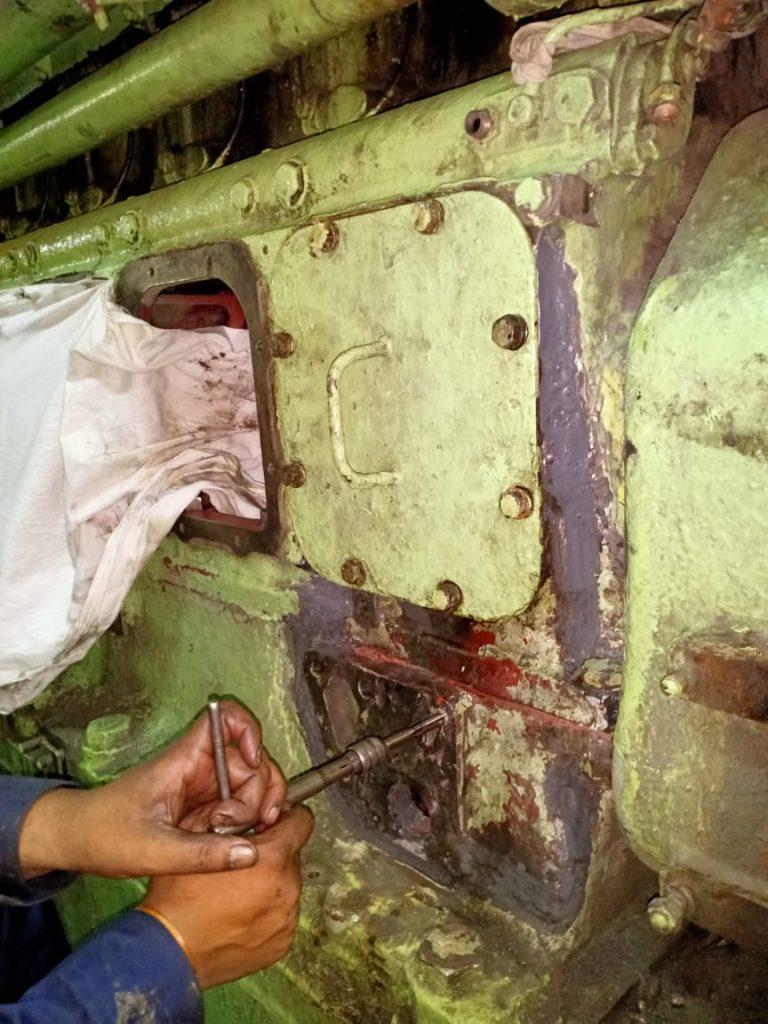
CRACK REPAIR BY METAL STITCHING INSTEAD OF WELDING | 47 YEARS OF EXPERIENCE

rapowersolution
Utilizator verificat
3 min de lectură
67
Vizualizări
For over 200 years, metal stitching has been used as a repair technique. It is a tried-and-true technique for fixing cast iron and aluminium alloy components that are cracked or damaged. In some circumstances, it can also be used to fix bronze-made parts.
RA Power Solutions has expertise with metal stitching, metal locking, metal surgery, and welding to fix damaged castings. Our hands-on experience has shown that metal stitching and metal locking are very successful techniques for fixing damaged and broken cast parts.
Benefits of Metal Locking and Stitching Compared to Welding
Compared to traditional welding, metal stitching and metal locking provide a number of benefits. Among the principal advantages are:
Cold Repair Procedure: Two cold repair techniques are metal locking and metal stitching. Because no heat is produced, thermal stress and deformation are less likely to occur.
No Major Dismantling: The majority of the time, the repair can be completed without taking the entire piece of equipment apart.
Simple Tool Requirements: Access to pneumatic tools is adequate to complete the repair under typical working conditions.
Preserves Original Alignment: There is no loss of alignment or alteration to the original profile because heat is not used in the process. Thus, in most situations, machining is not necessary.
Pressure-Tight Repair: It is possible to make the repaired region gas-tight and liquid-tight.
Long-Lasting Outcomes: When done properly, metal locking and stitching offer a robust and durable repair.
Metal Locking and Stitching Techniques for Crack Repair
Cast iron, aluminium, and bronze components that are cracked or broken must be carefully inspected and repaired. During the procedure, the following steps are often taken.
1. Examining and identifying cracks
To determine the length, position, and quantity of cracks, the affected region is carefully examined. The best method for finding cracks in appropriate ferromagnetic materials is magnetic particle inspection, or MPI.
We advise Level II or Level III qualified technicians to use MPI for crack detection. When appropriate, a Dye Penetrant Test (DPT) can be carried out in the absence of MPI equipment.
Before beginning the repair, it is crucial to locate every break. If a crack is not found, it could spread and seriously harm both the machine and the component.
2. Identifying the Damaged Area
Following examination, all fractures and damaged areas are documented and clearly defined. This aids professionals in planning the metal stitching process and identifying the precise repair location.
3. Installing and Drilling Stitching Pins
Metal stitching pins with certain designs are used to mechanically patch the damaged metal. Stitching pins are inserted to connect the damaged pieces after holes are drilled and tapped at precisely chosen locations.
4. Getting Into the Crack on Both Sides
The two sides of the crack are pulled together by inserting specially made sewing pins. Along the damaged area, a continuous row of interlocking pins forms. This results in a pressure-tight repair and a robust mechanical joint.
5. Master Lock Installation
Specialised master locks are installed across the joint line following the installation of the stitching pins. These locks provide the repaired area more strength and are fitted by drilling and milling.
Damaged cast components can be effectively repaired using metal stitching and metal locking without the heat-related issues that come with welding. It is frequently possible to restore the original component without replacing it with the correct inspection, equipment, and skilled experts.


