

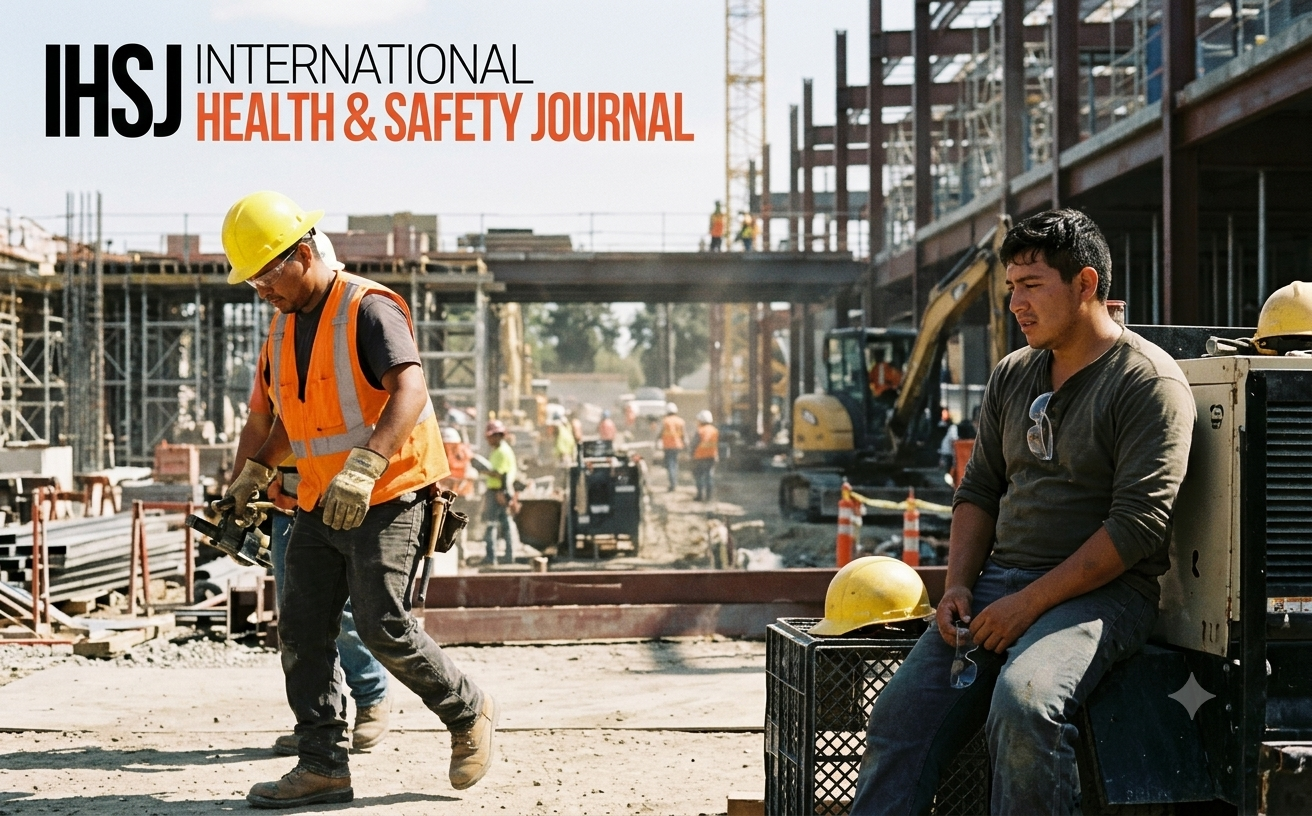
How Personal Protective Equipment in Construction Guards Against Silent Threats: Dust, Noise and Long-Term Health Damage

When people picture construction accidents, they imagine falls, collapses and falling objects. Those events are serious, but they are not the only danger. Some of the most damaging threats arrive quietly. A worker may breathe fine dust every day for years, or stand beside loud machinery without feeling any immediate harm. Learning how personal protective equipment in construction defends against these slow-building hazards is essential for anyone who cares about long-term worker health.
Occupational illnesses often take years to appear, and by then the damage may be permanent. Hearing loss, lung disease and chronic skin conditions rarely show on an incident report, yet they affect thousands of workers. This article looks at the injuries you cannot see right away, explains the main airborne and noise risks, and shows how protective gear and health monitoring work together to keep workers healthy for the whole of their careers.
The Injuries You Cannot See Right Away
A broken bone is obvious. A damaged lung is not. Many health effects on construction sites build gradually through repeated exposure. A worker may feel perfectly well for years while tiny particles accumulate in the lungs or sensitive hair cells in the ear are slowly destroyed.
Because no pain warns the worker, the risk feels theoretical. This is exactly why protection must be routine rather than reactive. Occupational health professionals stress that once certain damage occurs, it cannot be reversed. Prevention is the only reliable strategy, and understanding how personal protective equipment in construction acts as a barrier against invisible hazards helps workers take that prevention seriously.
Dust and Airborne Particle Risks
Construction generates dust constantly. Cutting concrete, sanding walls, demolishing structures and drilling masonry all release fine particles into the air. Among the most dangerous is respirable crystalline silica, which can reach deep into the lungs and cause permanent scarring. Other airborne hazards include wood dust, insulation fibres, paint fumes and welding smoke.
Respiratory protection is the main defence when dust cannot be fully controlled at the source. Different tasks demand different levels of filtration, so selection should follow a proper hazard assessment rather than guesswork. A simple dust mask may not suit fine silica, while a fitted respirator might.
Fit is critical. Facial hair, poor seals and loose straps allow contaminated air to leak in around the edges. Workers should be fit-tested, trained to check their seal each time and taught how to store and replace filters. In addition, eye protection prevents irritation and injury from airborne debris, and disposable or washable coveralls reduce the amount of dust carried home on clothing.
Hearing Damage on Loud Sites
Noise is one of the most underestimated hazards. Jackhammers, saws, compressors, generators and heavy vehicles regularly produce sound levels that can harm hearing within hours of unprotected exposure. Noise-induced hearing loss develops slowly, often painlessly, and is permanent.
Early warning signs include ringing in the ears, difficulty following conversations in busy places and a feeling that sounds are muffled after a shift. By the time these appear, damage has already occurred.
Hearing protection comes in several forms, including earplugs and earmuffs. The right choice depends on the noise level, the duration of exposure and the worker's comfort. Some situations call for both together. Workers must still hear warning signals and instructions, so equipment that reduces noise without isolating the wearer completely can be a good option. Correct insertion of earplugs matters just as much as having them, because a poorly inserted plug provides far less protection than expected.
Where possible, noise should also be reduced at the source through quieter equipment, barriers and scheduling. How personal protective equipment in construction supports hearing health is strongest when it complements these engineering measures rather than replacing them.
Skin, Vibration and Chemical Exposure
Respiratory and hearing risks get the most attention, but they are not the only silent hazards. Skin contact with wet cement, solvents, adhesives and resins can lead to dermatitis and chemical burns. Gloves, long sleeves and barrier clothing prevent repeated contact. Workers should be taught to remove contaminated clothing carefully and wash exposed skin promptly.
Hand-arm vibration from power tools can also cause lasting nerve and circulation damage. Anti-vibration gloves can help in some situations, though limiting exposure time and using well-maintained tools remains essential. Awareness of these less obvious risks rounds out a complete health protection plan.
Health Monitoring Alongside Protective Gear
Protective equipment is only part of the answer. Regular health surveillance helps identify early signs of harm before they become disabling. Hearing tests, lung function checks and skin examinations give workers and employers valuable information about whether controls are working.
If monitoring shows early changes, the response should be immediate: review the work process, improve controls, check that gear is correct and fits well, and offer the worker support. Keeping accurate exposure records also helps identify patterns across the site.
Training ties everything together. Workers who understand why they are protected are far more likely to use gear correctly. Short, practical sessions that show real examples of dust, noise levels and health outcomes make the invisible visible. When workers grasp how personal protective equipment in construction works against hazards they cannot see, compliance improves noticeably.
Building a Culture of Long-Term Protection
Healthy workplaces treat health and safety as one subject. Supervisors should include dust, noise and chemical risks in daily briefings, not only falls and machinery. Clear signage identifying noisy and dusty zones reminds everyone which protection is needed.
Equally important is listening. Workers often notice problems first, such as a dusty area with poor ventilation or a pair of ear defenders that no longer seal. Encouraging them to report these concerns early keeps small issues from becoming lasting harm.
Conclusion
The most dangerous hazards are not always the loudest or most dramatic. Dust, noise and chemicals can quietly erode a worker's health over decades. By understanding how personal protective equipment in construction shields the body from these silent threats, and by combining it with source controls, health monitoring and good training, sites can protect their people for life, not just for the day. The International Health and Safety Journal urges every employer and worker to treat long-term health as seriously as immediate safety, because careers should end in retirement, not illness.
Frequently Asked Questions
1. What is silica dust and why is it dangerous?
Silica dust is created when cutting or grinding materials such as concrete, brick and stone. Breathing it can cause serious, irreversible lung disease over time.
2. How do I know if my hearing protection is working?
It should fit snugly and reduce noise noticeably. If you still experience ringing in the ears or muffled hearing after a shift, review your equipment and fit.
3. Can a basic dust mask protect against fine silica?
Not always. Fine particles often require properly fitted respirators with suitable filters. A hazard assessment should guide the selection.
4. How often should workers have health checks?
Frequency depends on exposure levels and the type of hazard, but regular hearing and lung checks are recommended for workers in dusty or noisy environments.
5. Is protective gear enough to prevent occupational illness?
It is an important barrier, but it works best alongside source controls such as ventilation, water suppression and quieter equipment, plus training and health monitoring.


