

Acupuncture for Knee Pain: What Patients Should Know!

Knee pain can turn everyday movements into challenges. You may notice knee discomfort when climbing stairs, getting out of a chair, walking longer distances or exercising. Even simple movements can feel harder, leaving you wondering how to regain comfort.
In such cases acupuncture for pain relief may help ease discomfort, reduce stiffness and support better mobility, offering a gentle addition to your joint care routine.
Why Your Knees May Be Hurting
Knee pain can develop for several reasons. Osteoarthritis, repeated strain, sports injuries, prolonged sitting, excess joint stress and age-related changes can affect cartilage, muscles, ligaments and surrounding tissues.
With osteoarthritis, the cushioning cartilage gradually wears down. This may cause stiffness, tenderness, swelling and reduced movement. Overuse can also irritate tissues, especially after running, workouts or repetitive physical activity.
How Acupuncture May Help Ease Knee Pain
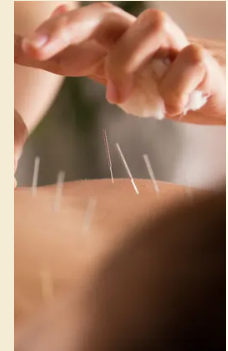
Acupuncture involves placing very thin needles at specific points on the body. Traditional Chinese Medicine (TCM) uses these points to support balance, circulation and the body's natural healing responses.
Modern research suggests acupuncture may influence pain signalling, nervous system activity and the release of natural pain-relieving chemicals. These effects may help reduce discomfort and improve movement in some people.
Acupuncture is increasingly explored as a complementary option for knee osteoarthritis, particularly when pain affects daily activities and quality of life. However, results can vary, and the treatment does not repair damaged cartilage or reverse osteoarthritis.
Can Acupuncture Improve Your Comfort During Movement?
When knee pain eases, daily activities may become less difficult. Acupuncture may help you walk more comfortably, bend your knee with greater ease and manage stiffness after sitting.
Some patients also seek acupuncture for pain relief when they want to reduce their reliance on pain medication. Acupuncture may complement medical treatment, but it should not replace prescribed medication without medical advice.
If muscular tension contributes to your knee discomfort, integrative bodywork may also help. A combination of acupuncture and gentle massage may support relaxation, ease tight muscles and improve comfort.
What Happens During an Acupuncture Session?
Your first appointment should begin with a detailed assessment. Your practitioner may ask about your pain, medical history, movement limitations, previous injuries, medication use and daily activity levels.
In Traditional Chinese Medicine, practitioners also consider broader health patterns, including sleep, digestion, stress and general well-being. This traditional assessment complements, rather than replaces, medical evaluation and diagnostic testing.
Your treatment plan may include acupuncture points around the knee and other areas of the body. Depending on your needs, your practitioner may incorporate gentle massage or integrative bodywork.
Treatment should never feel rushed. Your practitioner should explain each step, discuss your comfort level and adjust the session based on your response and individual needs.
How Many Acupuncture Sessions May You Need?
The number of sessions depends on your pain, underlying condition, health history and response to treatment. Some people notice changes after a few visits, while others need a longer treatment plan.
Your practitioner should review progress regularly. If your pain, mobility or daily comfort does not improve, your treatment plan may need adjustment or further medical evaluation.
Is Acupuncture Safe for Knee Pain?
Acupuncture is generally considered safe when performed by a properly trained practitioner using sterile, single-use needles. Mild soreness, bruising or temporary bleeding may occur after treatment.
However, acupuncture is not suitable for every situation. A swollen, hot knee, sudden severe pain, fever, inability to bear weight or pain following a serious injury requires prompt medical attention.
If you take blood-thinning medication, have a bleeding disorder, are pregnant or have an implanted medical device, discuss your health history before treatment.
When Acupuncture Should Work Alongside Medical Care
Knee pain may require physical therapy, medication, imaging, injections or surgery, depending on its cause and severity. Acupuncture can complement these approaches, but it should not delay necessary care.
Exercise, strengthening, weight management when appropriate and guided rehabilitation remain important for maintaining joint function. Combining these approaches with acupuncture for muscle pain or joint discomfort may support a broader recovery plan.
Take a Thoughtful Step Towards Better Mobility
Living with knee pain does not mean accepting every movement as uncomfortable. Acupuncture may offer a supportive way to manage pain, improve comfort and help you stay active.
Rooted in traditional Chinese healing and guided by modern clinical understanding, acupuncture works best when your care is personalised, thoughtfully assessed and connected to your wider health needs.


