


A Taste of Nostalgia: Why Old-Fashioned Desserts Still Belong in Every Home Kitchen

Some desserts are remembered long after the last slice has disappeared. It might be a buttery cake served at a family gathering, a bowl of warm custard prepared on a winter evening, or cookies that filled the house with the smell of vanilla and cinnamon. These treats have a quality that goes beyond sweetness. They connect food with memories, familiar traditions, and the simple pleasure of making something from scratch.
Although modern pastry shops offer impressive creations, traditional desserts continue to hold their place in home kitchens. Their appeal comes from recognizable ingredients, comforting textures, and recipes that can be adapted without losing their original character. Learning to prepare these classics is also a wonderful way to make ordinary afternoons and family celebrations feel a little more special.
What Makes a Traditional Dessert So Appealing?
Old-fashioned sweets were often created around ingredients that families already had in their kitchens. Flour, butter, eggs, milk, seasonal fruit, sugar, and basic spices formed the foundation of countless cakes, puddings, cookies, and pies.
These ingredients remain accessible today, which makes traditional baking particularly practical. A simple apple cake does not require specialized equipment, while homemade custard can be prepared with only a few pantry staples.
Another appealing feature is flexibility. Family recipes were rarely treated as completely fixed instructions. Cooks adjusted sweetness, changed fruit fillings, added spices, or substituted ingredients according to what was available.
This practical approach explains why old fashioned homemade desserts continue to inspire modern home bakers. They offer dependable starting points without preventing experimentation.
Cakes That Turn Ordinary Days Into Celebrations
A homemade cake does not need multiple layers or elaborate decorations to attract attention. Some of the most enjoyable cakes are simple enough to serve with afternoon tea but flavorful enough to become family favorites.
Butter Cakes and Traditional Tea Cakes
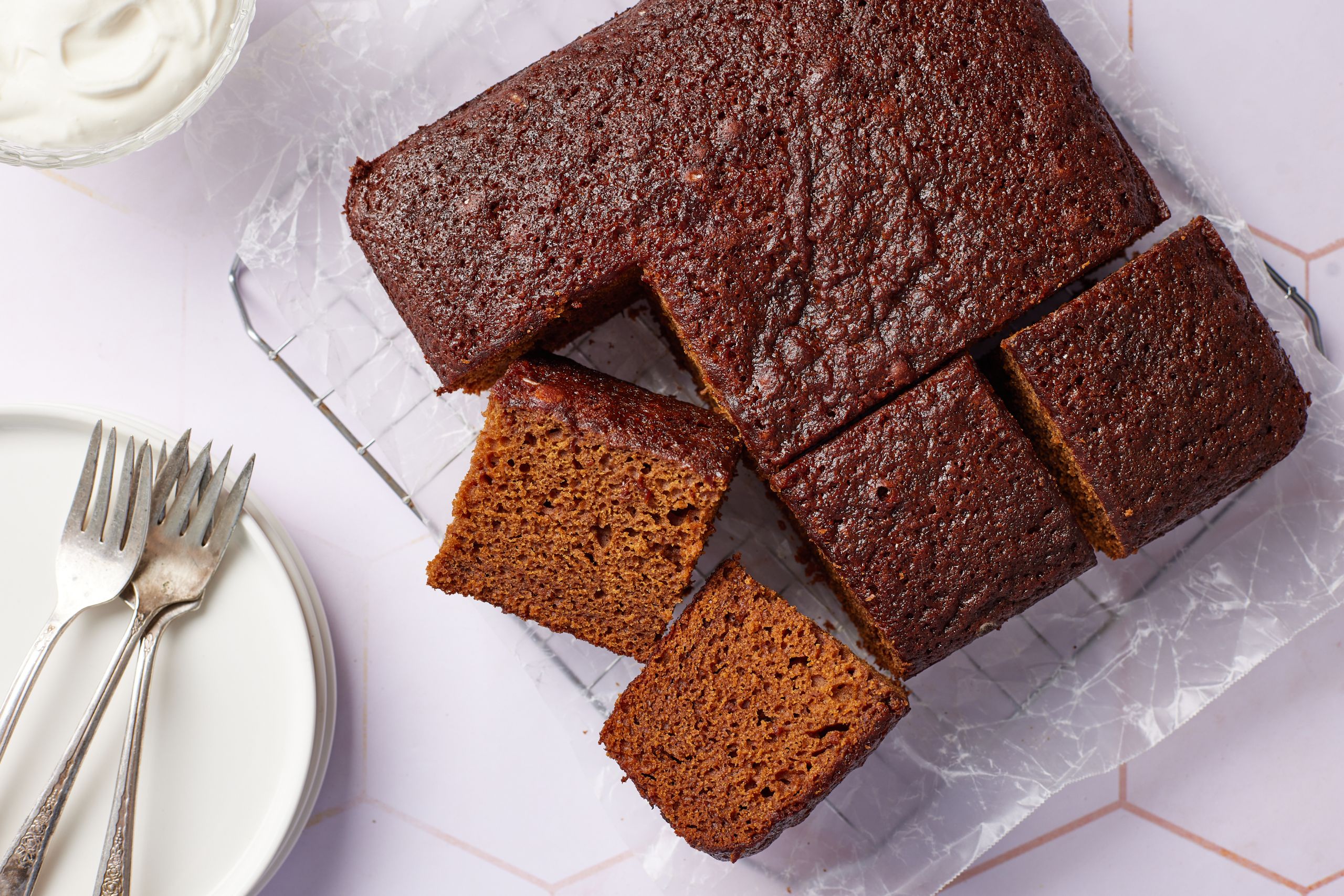
Butter cakes are appreciated for their tender crumb and rich flavor. Their preparation is relatively straightforward, making them suitable for both experienced bakers and beginners.
A basic mixture of butter, sugar, eggs, flour, and vanilla can be transformed with different additions. Lemon zest creates a brighter flavor, almond extract introduces a delicate aroma, and chopped fruit adds moisture.
Tea cakes offer another approach. Often smaller and less elaborate than celebration cakes, they are designed to accompany coffee or tea. Their simplicity makes them especially appealing when you want something homemade without spending an entire afternoon in the kitchen.
Fruit Cakes That Follow the Seasons
Seasonal fruit provides endless inspiration. Apples and pears work particularly well in autumn, while peaches, cherries, and berries bring freshness to warmer months.
A useful technique is to arrange sliced fruit over the bottom of a baking pan, add the cake batter, and turn the finished cake upside down after baking. This creates an attractive presentation without requiring frosting or complicated decoration.
Cookies Worth Keeping in a Family Recipe Collection
Cookies are among the most convenient homemade desserts. They can be prepared in batches, stored for later, packed into lunch boxes, or arranged on a platter when guests arrive.
Different varieties also provide opportunities to explore texture.
The Comfort of Butter and Shortbread Cookies
Traditional butter cookies rely on a small number of ingredients, but their success depends on technique. Properly softened butter, careful mixing, and chilled dough help create a consistent texture.
Shortbread is another classic. Its characteristic crumbly structure comes from the combination of butter, flour, and sugar. Some bakers add vanilla, citrus zest, or finely chopped nuts to introduce additional flavor.
These cookies are particularly suitable for preparing ahead of time because they keep well when stored in an airtight container.
Spice Cookies for Colder Months
Cinnamon, ginger, nutmeg, and cloves can transform an ordinary cookie dough into something wonderfully aromatic.
Molasses adds depth and helps create a softer texture in traditional ginger cookies. These flavors are especially popular during the holiday season, although there is no reason to reserve them exclusively for December.
For a different result, combine ginger with orange zest or add a little cardamom to a basic butter cookie recipe.
Puddings and Custards: The Softer Side of Homemade Desserts
Not every dessert needs a crust, a cake layer, or a crisp exterior. Custards and puddings provide a completely different experience, relying on smooth textures and gentle flavors.
Classic vanilla custard is made by heating milk with sugar and gradually combining it with egg yolks. Careful temperature control is essential because excessive heat can cause the eggs to scramble instead of thickening the mixture.
Once mastered, the basic technique opens the door to numerous variations.
Add Flavor Without Complicating the Recipe
Vanilla is a natural starting point, but citrus peel, cinnamon, nutmeg, and coffee can introduce interesting differences.
A light orange custard makes a pleasant dessert after a rich dinner. Chocolate pudding offers a more indulgent alternative, while pumpkin custard is particularly suitable for autumn menus.
Custards can also be served with fresh berries, baked fruit, crushed cookies, or a small amount of whipped cream.
Pies and Fruit-Based Desserts for Sharing
Pies have long been associated with family gatherings because they are practical to prepare, easy to portion, and suitable for different occasions.
Apple pie remains a familiar favorite, but there are many other possibilities. Cherry, peach, blueberry, and sweet potato fillings each create a distinctive result.
How to Improve Homemade Pie Crust
A good pastry crust should be tender rather than tough. One important principle is to avoid overworking the dough after adding the liquid ingredients.
Cold butter helps create small pockets within the pastry, contributing to its texture during baking. Chilling the prepared dough before rolling also makes it easier to handle.
If making a full pie seems too demanding, try a galette. This rustic dessert uses a single layer of pastry with fruit placed in the center and the edges folded loosely around the filling. It looks attractive without requiring a perfectly shaped pie dish.
Making Homemade Sweets Part of Everyday Life
Dessert preparation does not need to be reserved for birthdays or major holidays. A small homemade treat can become a pleasant part of an ordinary afternoon.
Exploring old fashioned homemade desserts is a good way to discover recipes that use familiar ingredients while introducing new flavors and techniques. A simple cake, a batch of spiced cookies, or a fruit-filled pastry can be prepared without complicated equipment or professional baking experience.
For inspiration, Tiny Vintage Kitchen brings together traditional sweet treats and nostalgic baking ideas that encourage home cooks to revisit familiar flavors. Keeping a few reliable recipes available makes it easier to prepare something homemade whenever the occasion calls for it.
The most rewarding part of traditional baking is that perfection is rarely necessary. Slightly uneven cookies, rustic pie edges, and cakes decorated with nothing more than powdered sugar can still become the treats everyone remembers. What matters is the pleasure of preparing them, sharing them, and gradually creating new family traditions around the desserts that come out of your own kitchen.


