


A Beginner’s Guide to Clock Repair: Essential Tools and Techniques
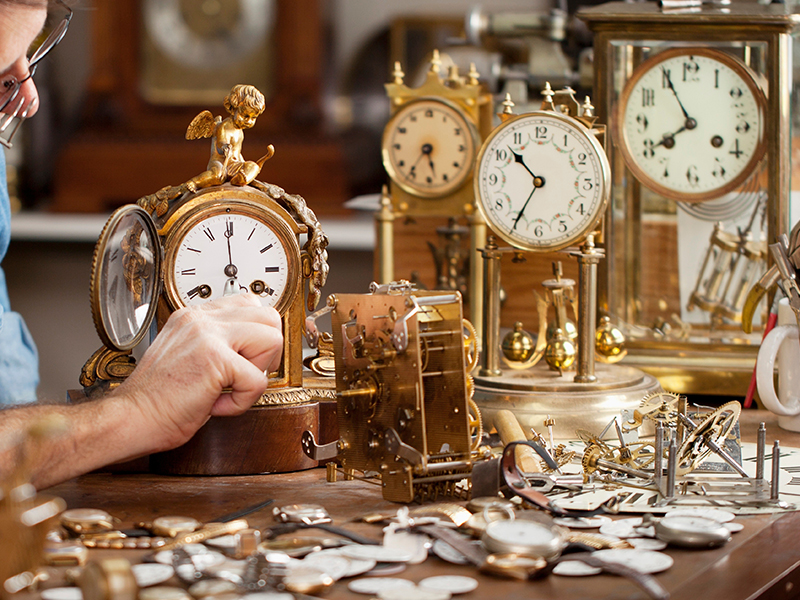
Clock repair looks like a complex craft reserved for professionals. As a beginner, you can learn to handle common clock issues, but with the correct set of tools, knowledge of clock mechanisms, and patience. Whether you own a vintage wall clock, a mantel clock, or a cherished heirloom, understanding the basics of clock repair can save you time and money while helping you preserve something valuable.
This beginner-friendly guide covers the essential tools and techniques you need to get started.
Understanding the Basics of Clock Repair
Before discussing repairs, it’s important to understand how clocks function. Most traditional clocks operate using a system of gears, springs, and an escapement mechanism that regulates movement. Quartz clocks rely on battery-powered electronic circuits.
Clock repair involves:
● Diagnosing the problem
● Cleaning internal components
● Replacing worn or broken parts
● Reassembling and testing the clock
For beginners, starting with simple fixes like battery replacement or minor adjustments is the best approach.
Essential Tools for Clock Repair
Having the right tools is crucial for effective and safe clock repair. You don’t need a large collection to begin; only a few specialised tools will make a big difference.
Basic Hand Tools
Start with a set of small, high-quality tools designed for delicate work:
● Screwdrivers: Precision screwdrivers for tiny screws
● Pliers: Needle-nose pliers for gripping small components
● Tweezers: Useful for handling fine parts without damaging them
● Magnifying glass or loupe: Helps you see intricate details clearly
Cleaning and Maintenance Tools
Dust and dirt are common causes of clock failure. Proper cleaning tools help maintain smooth operation:
● Soft brushes for removing debris
● Cleaning solutions specifically designed for clock parts
● Lint-free cloths to avoid leaving residue
● Pegwood sticks for cleaning pivot holes
Specialised Clock Repair Tools
As you gain confidence, you may invest in more specialised tools:
● Clock oil and oiler: For lubricating moving parts
● Mainspring winder: Safely handles springs in mechanical clocks
● Gear puller: Removes gears without damage
● Movement holder: Keeps the clock mechanism stable during repair
These tools are helpful when working on mechanical clocks.
Common Clock Problems and Simple Fixes
Many clock issues are surprisingly easy to fix once you identify the cause. Here are some common problems beginners can handle:
Clock Not Running
● Check if the clock is wound or has a working battery
● Ensure the clock is level
● Look for dust or debris blocking gears
Incorrect Timekeeping
● Adjust the pendulum length (for mechanical clocks)
● Replace weak batteries in quartz clocks
● Check for worn components that may need replacement
Clock Stops Intermittently
● Inspect for dirt buildup
● Ensure proper lubrication
● Check if gears are misaligned
Basic Clock Repair Techniques
Learning a few essential techniques will help you handle most beginner-level repairs.
Cleaning the Movement
The most important maintenance step is cleaning:
● Carefully disassemble the clock (take photos for reference)
● Remove dust and dirt using a soft brush
● Clean pivot holes and gears gently
● Allow all parts to dry completely before reassembly
Avoid using excessive liquid, as it can damage delicate components.
Lubricating Moving Parts
Proper lubrication reduces friction and wear:
● Use only clock-specific oil
● Apply a small amount to pivots and moving joints
● Avoid over-oiling, which can attract dust
Replacing Worn Parts
Over time, parts such as springs, gears, or bushings may wear out:
● Identify damaged components carefully
● Source compatible replacement parts
● Install with precision to avoid misalignment
Safety Tips for Beginners
Clock repair involves delicate mechanisms, so it’s important to work carefully:
● Always work in a well-lit, clean area
● Keep track of small parts to avoid losing them
● Avoid forcing components, as this can cause damage
● Wear protective eyewear when handling springs
● If unsure, consult a professional for complex repairs
When to Seek Professional Help
While many repairs are beginner-friendly, some situations require attention:
● Antique or high-value clocks
● Severely damaged internal mechanisms
● Complicated mainspring replacements
● Extensive gear or structural issues
Attempting complex repairs without experience can cause more harm than good.
Building Confidence in Clock Repair
Like any skill, clock repair improves with practice. Start small and work your way up to more advanced tasks.
Here’s how to build confidence:
● Practice on inexpensive or non-working clocks
● Watch tutorials and read guides
● Keep notes of your repairs and learn from mistakes
● Invest in better tools as your skills improve
Over time, you’ll develop a deeper understanding of clock mechanisms and feel more comfortable handling repairs.
Final Thoughts
Clock repair work is like a satisfying hobby that builds patience, attention to detail, and practical problem-solving skills. Beginners can also repair and maintain their clocks with confidence using basic tools and a good understanding of the techniques.
By starting with simple fixes and building your skills, you’ll not only extend the life of your timepieces but also gain a valuable and satisfying hands-on skill. Whether it’s a family heirloom or a decorative piece, proper care and repair can keep your clock ticking beautifully for years to come.


 English
 Arabic
 Français
 Español
 Português
 Deutsch
 Dutch
Dutch
 Italiano
 Russian
 Romaian
 Portuguese (Brazil)
 Greek
Greek