


Why Your Nightdress Never Fits And How to Fix It
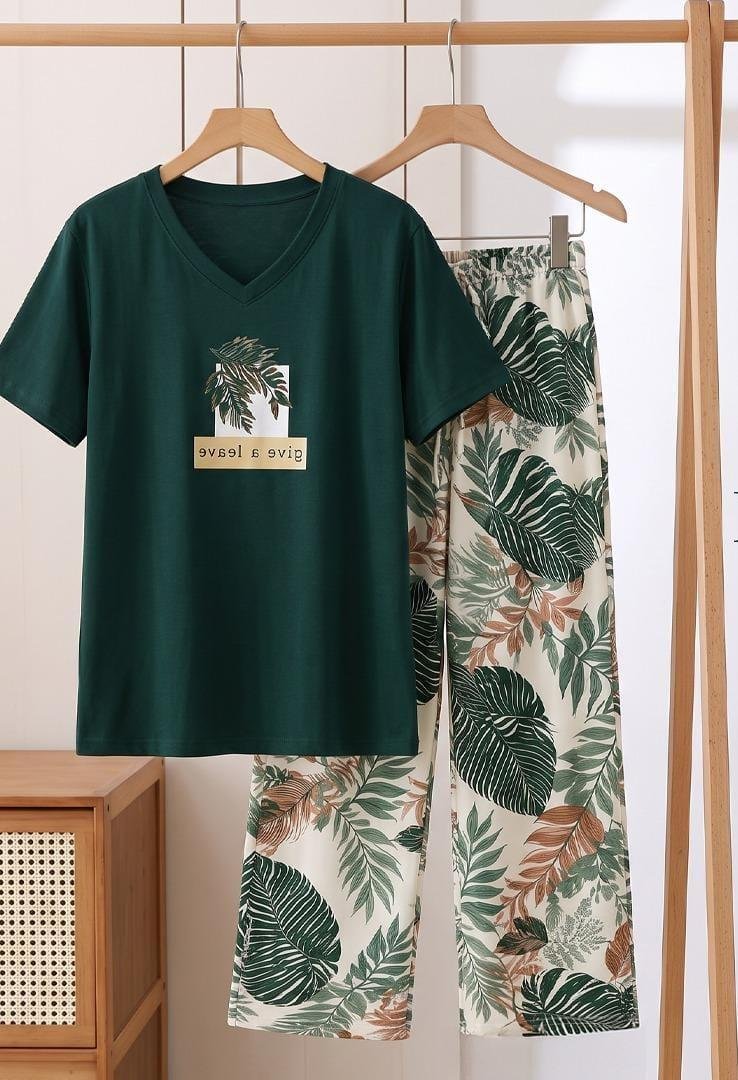
My drawer has six night dresses in it right now. Three of them I actually wear. The other three sit folded at the back collecting dust, technically my size, genuinely unwearable past 2am. One pulls across the shoulders the moment I lie down. One arrived four inches shorter than the model in the photo. One is the correct size on the label and somehow still feels wrong every single night by midnight.
If any of that sounds familiar, keep reading. Medium from one brand. Large from another. An XL from that Instagram page everyone was ordering from last summer, all of them technically my size, none of them actually comfortable when it matters. The fabric in the photos always looks softer than what arrives. The color is slightly off. The length is completely different from what the model was wearing.
Pakistani women looking for nightwear with clear measurements per style can browse a helpful night dress collection but before you order anything from anywhere, finish reading this first. Knowing your actual numbers changes how you shop completely.
Why Nightwear Sizing Is Different From Regular Clothing
Because you are not standing up when you wear it. That is the whole explanation, honestly. Daytime clothes are designed for someone upright, walking, sitting at a desk, managing a full day on their feet. Nightwear is worn by someone horizontal for six or seven hours, shifting positions, turning over, stretching without thinking about it. The fit requirements are completely different and most buying guides never explain this.
A waistband that feels perfectly fine while you are sitting at your desk creates genuine pressure against your stomach after three or four hours of lying down. Sleeves that seemed relaxed while you were moving around become restrictive when your arm position keeps shifting through the night. A kurta that fits beautifully while you are standing starts squeezing your ribs by midnight.
This is not a quality problem. It is a sizing logic problem. The fix is simple. Go one size up from whatever you normally buy for daytime clothing. Not because brands size small. Because sleeping has completely different demands than the rest of your day. Once you start doing this, most of the problems disappear before the package even arrives.
How to Measure Yourself Correctly Before Buying
Three measurements. That is all you need before checking any size chart.
Chest at the fullest point. Natural waist above the hips. Hips at the widest point. Soft tape, kept level, not pulled tight. Write the numbers down before you open any brand's website. This sounds obvious but most women skip it and match the label instead.
Chest: Around the fullest part. Comfortable against the skin, not compressing, not loose. Breathe normally while you measure. Do not hold your breath or pull it tight.
Waist: Natural waistline which sits above the hips and below the ribcage. Same rule, comfortable and level with the floor.
Hips: Around the fullest point, roughly eight inches below the waistline.
Height: Women under 5'2 generally find standard midi length styles fall below the knee. Women above 5'6 may find the same style sits at or above the knee. Worth knowing before you commit to a length.
The mistake I kept making for years was matching the size label instead of checking the actual chart. A medium from one Pakistani brand can measure two to three inches differently than a medium from another. The label is just a label. The chart is the actual information. Go to the chart every single time.
Standard Night Dress Size Chart for Pakistani Women
Pakistani brand sizing varies but these body measurements work as a reliable starting point for most local nightwear:
| Size | Chest | Waist | Hips |
|---|---|---|---|
| Small | 34–36 inches | 28–30 inches | 36–38 inches |
| Medium | 36–38 inches | 30–32 inches | 38–40 inches |
| Large | 38–40 inches | 32–34 inches | 40–42 inches |
| XL | 40–42 inches | 34–36 inches | 42–44 inches |
| XXL | 42–44 inches | 36–38 inches | 44–46 inches |
These are body measurements, not garment measurements. Well made nightwear is cut with additional room built in beyond these figures. That extra room is intentional. It is what creates the relaxed fit that sleeping actually requires. If a brand does not list their garment measurements separately from body measurements, that alone tells you something.
How to Choose the Right Length
Length is the thing most size guides skip completely. Then the package arrives and the length is nothing like what you pictured. This happens more than any other sizing complaint.
Short above knee: During a Karachi summer anything longer starts feeling unbearable around 3am. Short styles in lightweight cotton let air move properly and genuinely feel lighter on warm humid nights. Also works well if you just tend to sleep warm regardless of the season.
Midi knee to mid-calf: Most practical all round option for most Pakistani women throughout most of the year. Good coverage without the bunching that longer styles cause when you turn over during sleep.
Full length ankle: Lahore and Islamabad winters are genuinely cold. Karachi in December and January is not exactly warm either. Full length is worth having for colder months or for anyone sleeping in a cooler room.
If the brand lists the garment length in centimeters or inches, check it. Measure yourself from shoulder to where you want the hem to fall. Compare those two numbers before confirming your order. One extra step eliminates most length related surprises completely.
How Fabric Changes the Way a Size Actually Fits
Same size number. Different fabric. Completely different experience. This explains more online nightwear disappointments in Pakistan than almost anything else.
Cotton has a slight natural give. It drapes softly and accommodates minor size variations better than most fabrics. Between sizes in a cotton style, cotton handles that uncertainty better than structured alternatives. It is also the most practical fabric for Pakistan's long humid summers when breathability matters more than anything.
Satin is different. It has less give, follows the body more closely, and does not stretch. Between sizes in a satin style, going up is almost always the right call. Satin that is slightly too snug does not just look off, it becomes genuinely uncomfortable after a few hours of lying down in it.
Jersey knit is the most accommodating of all. Women who find standard Pakistani sizing difficult often discover jersey knit styles fit far better across a wider range of measurements within each size.
Brands like Kozee PK handles this honestly, different fabric types come with separate sizing guidance because the same size number in cotton and satin genuinely behaves differently once you are actually wearing it through a full night.
Sizing for Different Body Types:
Standard Pakistani size charts do not translate equally well across all proportions and Pakistani women come in a genuinely wide range of body types.
Bust fuller than waist: Size according to your bust measurement. Look for styles with relaxed cuts through the midsection or adjustable ties, anything that does not create pressure while you are lying down for hours.
Hips fuller than bust: Size according to your hip measurement for styles that need to fit over the hips. Elasticated waists give more flexibility here and are generally more forgiving if your hip measurement pushes you toward a larger size.
Petite under 5'2: Midi length is usually the most proportionate option. Very long styles drag along the floor and bunch up during sleep which becomes genuinely annoying by 4am.
Tall above 5'6: Full length styles provide coverage that standard midi length from most Pakistani brands will not reach.
Common Sizing Mistakes Worth Knowing About
Buying your regular size without checking the brand's own chart is the single most common mistake. Pakistani nightwear brands do not follow a standardized system. What counts as a medium in one collection can measure two to three inches differently in another. Check the chart every single time.
Focusing only on waist measurement catches a lot of women out. For styles that are not elasticated across the full body, chest and hips matter just as much, sometimes more.
Ordering the smallest size that technically fits is almost always the wrong call for sleepwear. Nightwear should feel deliberately loose. The difference between snug and relaxed is the difference between something that feels fine for an hour and something that actually lets you sleep.
Not checking the returns policy. Online sizing does not always translate perfectly to real life even when you measure carefully. Know whether the brand accepts exchanges before you place the order not after the wrong size arrives.
Summary:
Four things. Measure yourself accurately. Go one size up from your regular clothing size. Check the actual length in numbers. Read the brand's size chart instead of trusting the label. Do all four and most sizing problems disappear before anything ships.
FAQ's:
Q: Should I buy my regular size or go up for a night dress?
Go one size up. Nightwear worn lying down needs more room than daytime clothing. A relaxed fit is significantly more comfortable for sleeping than a correctly fitted one and you will notice the difference within the first hour.
Q: How do I measure myself for a night dress at home?
Soft tape, chest at the fullest point, natural waist above the hips, hips at the widest point. Keep it level and comfortable not tight. Write the numbers down and compare against the brand's chart before ordering.
Q: Why does my night dress feel tight even in my correct size?
Nightwear needs more room than regular clothing. If your correct size feels tight, size up. A snug night dress becomes progressively more uncomfortable as the night goes on the pressure builds slowly and you feel it most around 2am.
Q: Does fabric type affect which size I should choose?
Yes. Cotton has natural give and handles minor size variations better than most fabrics. Satin follows the body closely size up if you are between sizes. Jersey knit is the most flexible and fits well across a wider range of measurements.
Q: Does the tag size always match the brand's size chart?
No. This is one of the most consistent sources of confusion in Pakistani nightwear shopping. The tag is a label, not a measurement. Always measure yourself and cross-reference with the brand's actual chart before placing an order.
Q: Is sizing different for online versus in-person shopping?
Yes. Shopping in person lets you feel the fabric and check the fit before you commit. Online removes both of those options, which makes your own measurements and the brand's size chart significantly more important. Always check the exchange policy before ordering online.


 English
 Arabic
 Français
 Español
 Português
 Deutsch
 Türkçe
 Dutch
Dutch
 Italiano
 Russian
 Portuguese (Brazil)
 Greek
Greek